
Little Voices Matter: Helping Children Feel Heard and Welcome - November 10, 2026
Treasure Tower Rewards Canada Ltd. on 2026 Nov 8th
Recognizing National Child Day on November 20
Children have plenty to tell us. Sometimes it’s a detailed explanation of why dinosaurs would make excellent pets. Sometimes it’s a question from the back seat just as you’re navigating traffic. And sometimes it’s something important they’re not quite sure how to say.
Listening gives us a chance to discover the difference.
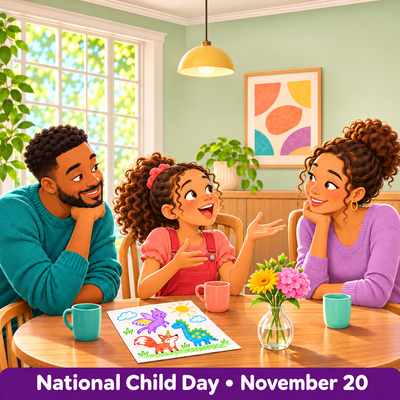
November 20 is National Child Day in Canada, recognizing children’s rights—including their right to express their views and have adults take them seriously. It’s a reminder that children deserve to feel heard, respected and included in everyday life.
At home, at school and in our communities, small moments of attention can help put that idea into practice.
Give Them Your Attention
We’ve all said “I’m listening” while checking a message, making dinner or searching for a missing shoe.
We can’t stop everything every time a child speaks. But when possible, put down the phone, turn towards them and give them a moment of undivided attention.
If you’re busy, be clear: “I want to hear about that. Let me finish this, and then we can talk.”
The important part is following through.
Ask Questions That Open a Conversation
“How was your day?” often earns a one-word answer. A more specific question may give children somewhere to begin.
“What made you laugh today?”
“Was anything harder than you expected?”
“What would you like us to do together this weekend?”
Leave time for the answer. Children may need a little longer to organize their thoughts, especially when they’re describing something confusing or upsetting.
And sometimes the best conversations happen while walking, drawing or doing something side by side.
Take Their Feelings Seriously
A broken toy or a disagreement over a game may seem small to an adult. To a child, it can feel enormous.
Before offering a solution, acknowledge what they’re telling you.
“That sounds disappointing.”
“I can see why you’re upset.”
Listening doesn’t mean agreeing with every request or changing every rule. You can understand that a child is frustrated about bedtime while still keeping bedtime.
It simply means making room for their feelings without dismissing them.
Include Them in Everyday Decisions
Small choices give children opportunities to express preferences and contribute.
Let them help choose a family activity, suggest a meal or decide which book to read together. Ask for their ideas when planning something that involves them.
Offer choices you can genuinely honour: “Would you like to visit the park or play a board game?” works better than asking an open question when only one answer is possible.
When their suggestion can’t work, explain why. Being heard doesn’t always mean getting your way, but it should mean receiving a thoughtful response.
Remember That Every Child Communicates Differently
Some children talk freely. Others need time, encouragement or a different way to express themselves.
Drawing, writing, gestures or communication tools may help a child share what they mean. Avoid treating quietness as a lack of ideas or requiring eye contact as proof that they’re paying attention.
Get to know how each child communicates most comfortably. A welcoming conversation leaves room for those differences.
Let Them Know Their Words Matter
When a child asks for help, explains a worry or tells you something difficult, acknowledge the effort.
“Thank you for telling me.”
“I’m glad you asked.”
“What do you think would help?”
You don’t need an immediate answer to every problem. Being willing to listen and work through something together matters, too.
And when you misunderstand or interrupt, it’s okay to say, “I’m sorry. Tell me again—I want to understand.”
Make Listening an Everyday Habit
National Child Day is an opportunity to reflect, but children need to feel valued throughout the year.
Invite their ideas. Make space for their questions. Welcome them into conversations rather than always speaking for them.
Some days, you’ll hear about a friendship worry. Other days, you’ll learn seventeen facts about a favourite animal.
Both are opportunities to get to know the child in front of you.
Little voices have important things to say. Let’s make sure there’s someone listening.